We offer 4 MACTE-accredited paths:
- Early Childhood (EC) (ages 3-6)
- Lower Elementary (EL I) (ages 6-9)
- Upper Elementary (EL I-II) (ages 6-12)
- School Leadership (SL)
We make learning convenient:
- By providing unmatched flexible
- Cost-effectiveness and accessibility
- Seamlessly balance family, life, and work commitments
- Career advancement and upgrading credentials
- Apply new skills in the learning environment

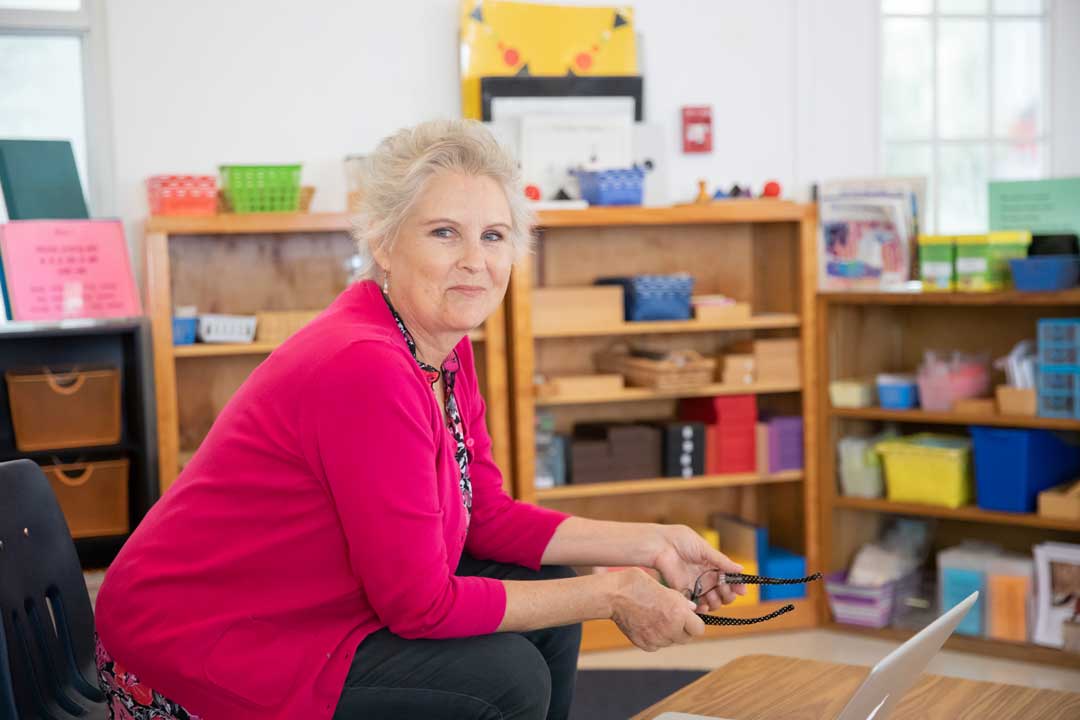
As part of our commitment to flexible adult learning, Montessori Live has transitioned from live weekly Zoom group chats to on-demand, recorded discussions, allowing participants to engage with course content at times that best suit their schedules. However, maintaining deep connection and mentorship remains our priority. To ensure personalized support, we now institute periodic one-on-one Zoom sessions between the adult learner and the instructor. These individual meetings provide dedicated time to review observed practice lessons—recorded as the presenter presents Montessori materials to children—and to discuss overall progress. They also serve as a tailored space for Q&A, classroom management strategies, and in-depth reviews of various subjects, including curriculum scope and sequence. This approach perfectly balances the convenience of asynchronous learning with the individualized mentorship essential for mastering Montessori teaching practices.
Personalized Support

Why Choose Us
Embrace the freedom to shape your educational journey with our flexible pay-as-you-go program, uniquely designed to accommodate your lifestyle. Whether you’re eager to dive in and achieve your certification in just one year or prefer to take your time, exploring every aspect of Montessori teaching over three to four years, the choice is yours. This empowering approach allows you to master your studies while balancing the demands of your busy life, ensuring that your path to becoming a certified Montessori educator is as rewarding as it is achievable.
How To Become a Montessori Educator
To be considered a trained Montessori Guide you must complete the following
The online component
The face-to-face component
The practicum component
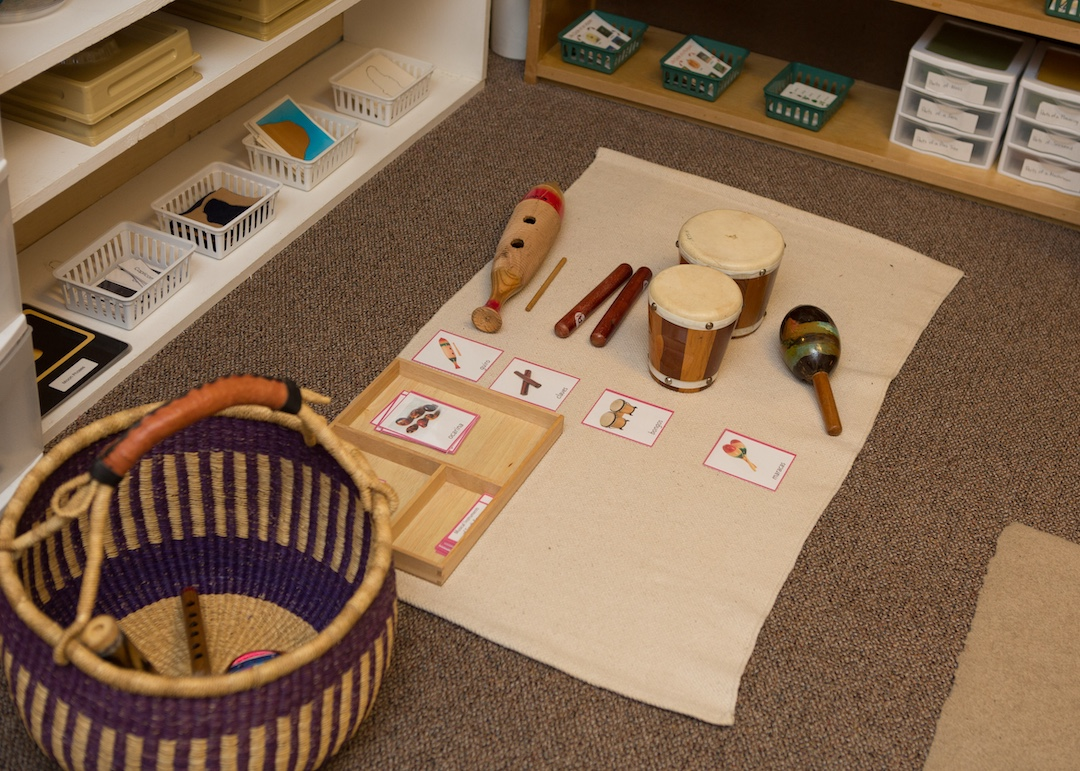
Academic courses include:
Video lectures
Asynchronous discussion forums
Asynchronous and Synchronous chats
Observed lesson presentations
Lesson plans
Practice lessons with materials
Material-making assignments
Reflective essays
Periodic chats with the instructor via Zoom

To enroll in the certification program, an applicant must:
Complete an online application
Submit supporting documentation
Meet all admission requirements
Submit bachelor-level transcripts or proof of a high school degree for early childhood
Provide evidence of the ability to practice in a Montessori environment
Important Information
To be trained, you must complete all required courses
Expect to spend 5 to 10 hours per week per course
Courses are individually priced
Enrollment requires payment
Our Video Library is available on YouTube
Periodic chats with the instructor via Zoom
Details for Each Training Program
Early Childhood Program Curriculum (Ages 3–6)
The Early Childhood credential comprises nine required courses, delivered through a blended model of flexible online learning and an immersive in-person residency.I.
I. Online Component (self-paced)
Foundational Courses
- Foundations of Montessori Philosophy (FDN) – An in-depth exploration of Montessori principles, the absorbent mind, and the prepared environment.
- Observation, Classroom Management, and Child Development (OBS) – Practical techniques for objective observation, developmental milestones (ages 3–6), and fostering a peaceful classroom culture.
Curriculum & Methodology Courses
- Correct Expression, Handwriting, & Whole Language (LNCE) – Foundations of oral language, pre-writing, and early literacy immersion.
- Phonics, Spelling, and Punctuation (LNPH) – Mechanics of reading, word building, and foundational language structure.
- Numeration and the Decimal System (MTNU) – Introducing the concrete concept of numbers, quantity, and the base-10 system.
- Operations with Whole Numbers: Addition & Multiplication (MTOP) – Moving from concrete to abstract math concepts. (Prerequisite: MTNU)
- Early Childhood Math: Subtraction & Division (MTEC) – Completing the four core mathematical operations with specialized Montessori materials. (Prerequisite: MTNU)
Practicum Course (Full Academic Year: September–June)
- Practicum & Field Experience (PRED) – A year-long, school-based internship with an active teaching component at your approved school location. Managed online with local supervision. (Location approval required)
II. Face-to-Face Component
In-Person Summer Residency (80 clock hours over 10 days)
- Summer Residency (RESS-EC) | Auburn, Alabama – A high-engagement, hands-on intensive focused on material mastery, lesson presentations, and peer collaboration.
Lower Elementary Program Curriculum (Ages 6–9)
The Lower Elementary credential comprises 13 required courses, delivered through a blended model of flexible online learning and an immersive in-person residency. This comprehensive track is uniquely designed to guide adult learners through the advanced academic and interdisciplinary needs of the second-plane child.
I. Online Component (self-paced)
Foundational Courses
- Foundations of Montessori Philosophy (FDN) – An in-depth exploration of core Montessori principles, cosmic education, and adapting the philosophy to the elementary years.
- Observation, Classroom Management, and Child Development (OBS) – Practical techniques for objective observation, developmental milestones (ages 6–9), and fostering a peaceful, collaborative classroom environment.
Curriculum & Methodology Courses
- Correct Expression, Handwriting, & Whole Language (LNCE) – Foundations of oral expression, creative writing, and early literacy immersion in the elementary setting.
- Phonics, Spelling, and Punctuation (LNPH) – The mechanics of word-building, spelling analysis, reading comprehension, and structural grammar.
- Numeration and Place Value (MTNU) – Introducing advanced place value and the base-10 system using concrete elementary mathematics materials.
- Operations with Whole Numbers: Addition & Multiplication (MTOP) – Moving from concrete manipulation to abstract operations for addition and multiplication. (Prerequisite: MTNU)
- Advanced Operations with Whole Numbers: Subtraction & Division (MTAO) – Completing the four core operations with large numbers using advanced material sequences. (Prerequisite: MTNU)
- Geometry Studies (MTGM) – Presenting geometric concepts, nomenclature, and spatial reasoning tailored for the 6–9 mind.
- Big Picture of the Universe (CBPU) – Introducing the foundational Montessori Cosmic Science curriculum, including physics, chemistry, astronomy, and earth science.
- Earth and Human Studies (CEHS) – Exploring geography, biology (botany/zoology), history timelines, and the fundamental needs of humans across cultures.
- Early Childhood Practical Life & Sensorial (PRSE) – Bridging the foundational physical and sensorial developments of early childhood into the lower elementary classroom framework.
Practicum Course (Full Academic Year: September–June)
- Practicum & Field Experience (PRED) – A year-long, school-based internship with an active teaching component at your approved school location. Managed online with local supervision and individual mentor check-ins. (Location approval required)
II. Summer Residency Components
We have added a virtual component to our summer residency, offering a more affordable and flexible alternative to the traditional in-person program.
- In-Person Summer Residency (RESS-ELI-II) | Birmingham, Alabama // McCordsville, Indiana – A comprehensive, 10-day hands-on laboratory intensive. Adult learners master both Lower and Upper Elementary materials, participate in live lesson presentations, engage in material-making workshops, and build professional networks. (80 hours over 10 days)
- Early Childhood Practical Life & Sensorial (PRSE) – Bridging the foundational physical and sensorial developments of early childhood into the elementary framework. (25 hours virtual self-paced)
6-to 12 Program Curriculum
The Upper Elementary credential comprises 17 required courses, delivered through a blended model of flexible online learning and an extensive in-person residency. This advanced program spans both the first and second planes of development, equipping educators to guide students through the full spectrum of elementary Montessori education.
I. Online Component (self-paced)
Foundational Courses
-
Foundations of Montessori Philosophy (FDN) – An in-depth exploration of core Montessori principles, cosmic education, and the developmental transitions across the 6–12 age continuum.
-
Observation, Classroom Management, and Child Development (OBS) – Practical techniques for objective observation, managing a multi-age classroom, tracking developmental milestones, and fostering a peaceful student community.
Curriculum & Methodology Courses
-
Correct Expression, Handwriting, & Whole Language (LNCE) – Foundations of oral expression, narrative voice, and early literacy immersion in the elementary environment.
-
Phonics, Spelling, and Punctuation (LNPH) – The mechanics of word-building, spelling analysis, reading comprehension, and structural mechanics.
-
Grammar and Writing (LNGR) – Advanced study of Montessori grammar symbols, sentence analysis, paragraph structure, and composition styles for older elementary students.
-
Numeration and Place Value (MTNU) – Introducing advanced place value and the base-10 system using concrete elementary mathematics materials.
-
Operations with Whole Numbers: Addition & Multiplication (MTOP) – Moving from concrete material manipulation to abstract operations for addition and multiplication. (Prerequisite: MTNU)
-
Advanced Operations with Whole Numbers: Subtraction & Division (MTAO) – Completing the four core operations with large numbers using advanced material sequences. (Prerequisite: MTNU)
-
Geometry Studies (MTGM) – Presenting geometric concepts, nomenclature, spatial reasoning, and theorems tailored for the elementary mind.
-
Fractions and Decimals (MTFR) – Exploring rational numbers through concrete fraction and decimal material sequences.
-
Decimals and Algebra (MTAL) – Bridging concrete arithmetic to abstract algebraic concepts, square roots, and advanced decimal operations.
-
Big Picture of the Universe (CBPU) – Introducing the foundational Montessori Cosmic Science curriculum, including physics, chemistry, astronomy, and earth science.
-
Earth and Human Studies (CEHS) – Exploring geography, biology (botany/zoology), history timelines, and the fundamental needs of humans across cultures.
-
Early Childhood Practical Life & Sensorial (PRSE) – Bridging the foundational physical and sensorial developments of early childhood into the elementary framework.
-
Advanced Cultural, Language, and Math (RESS-ELV) – An advanced online curriculum synthesis focusing on upper elementary extensions, interdisciplinary project-based learning, and advanced materials.
Practicum Course (Full Academic Year: September–June)
-
Practicum & Field Experience (PRED) – A year-long, school-based internship with an active teaching component at your approved school location. Managed online with local supervision and individual instructor mentorship. (Location approval required)
II. Summer Residency Components
We have added a virtual component to our summer residency, offering a more affordable and flexible alternative to the traditional in-person program.
-
In-Person Summer Residency (RESS-ELI-II) | Birmingham, Alabama // McCordsville, Indiana – A comprehensive, 15-day hands-on laboratory intensive. Adult learners master both Lower and Upper Elementary materials, participate in live lesson presentations, engage in material-making workshops, and build professional networks. (120 hours over 15 days)
-
Early Childhood Practical Life & Sensorial (PRSE) – Bridging the foundational physical and sensorial developments of early childhood into the elementary framework. (25 hours virtual self-paced)
-
Advanced Cultural, Language, and Math (RESS-ELV) – An advanced online curriculum synthesis focusing on upper elementary extensions, interdisciplinary project-based learning, and advanced materials. (51 hours virtual self-paced)
Curriculum & Foundational Assignments: Course Explanations
To ensure a comprehensive and transformative learning experience, the program employs a blended approach that includes digital lecture tracking, collaborative discussions, hands-on practice, and direct mentorship. Below is a detailed overview of the core assignments required throughout your training.
I. Digital & Interactive Learning Components
Video Lectures & Presentation Reviews (~2 hours per topic)
Adult learners are required to view all instructional lectures and material presentation videos within each topic.
-
Protocol: Videos must be viewed sequentially from top to bottom within the topic’s resource menu. Student engagement and progress are tracked electronically for administrative and credentialing purposes.
-
Access: Once opened, video resources remain available for continuous review throughout your active enrollment in the course.
-
Next Steps: After completing the video, learners must immediately engage with the corresponding forum questions.
Asynchronous Discussion Forums (~1 hour per topic)
These forums encourage members of a cohort to engage in collaborative, reflective practice, exploring both Montessori philosophy and practical classroom applications.
-
Peer Engagement: Forums provide a vital space to reflect on course content and learn from the insights of fellow educators. Participation is mandatory.
-
Instructor Feedback: To foster open peer dialogue, instructors do not comment directly within the public forum thread; instead, they provide tailored, private feedback to each student.
-
Deadlines & Integrity: Forums close automatically after every two topics and will not reopen. All contributions must be completely original, and any references to outside resources must include proper citations.
Asynchronous Prerecorded Lectures (~1 hour per topic)
For each topic, the course instructor provides a specialized, prerecorded lecture diving deeper into the curriculum. Adult learners are required to view these lectures and submit a comprehensive summary demonstrating their synthesis of the concepts presented.
Synchronous Practicum Cohort Chats (~1 hour per session)
Exclusive to the Practicum course, adult learners will meet live online with their course instructor and peers. There are ten synchronous chats strategically scheduled throughout the academic practicum year to provide real-time community, alignment, and guidance.
II. Practical Application & Classroom Integration
Observed Lesson Presentations (Average: 1 observation per curriculum course)
To verify material mastery, most online courses require an observed lesson presentation. This assignment ensures hands-on fluency with the materials and builds confidence in lesson delivery.
-
Execution: All practice and performance must be rooted strictly in the official course videos and supplied lesson plans.
-
Evaluation: Observations are conducted and assessed directly by your instructor or the approved supervising educator indicated in your enrollment paperwork. Feedback may be delivered in person, via video recording review, or through live video conferencing.
Montessori Lesson Plans (Average: 1 lesson plan per curriculum course)
This component trains adult learners in the structural anatomy of a Montessori presentation. Learners practice organizing and mapping a lesson, clarifying the direct and indirect aims, and analyzing the precise sequence of movement and interaction between the guide and the child.
Practice Summaries (Average: 1 summary per curriculum course)
Adult learners must actively practice with the physical Montessori materials introduced in the video resources. The Practice Summary is a detailed, written narrative that serves as official verification of your independent practice hours throughout the program, while offering an ongoing opportunity for self-reflection.
III. Material Creation & Reflective Practice
Material-Making Workshops
Montessori guides are curators of the prepared environment. This ongoing assignment provides opportunities to design and build high-quality classroom materials.
-
Scope: Material making takes place across both the online and residency components, allowing instructors to evaluate craftsmanship and provide constructive feedback.
-
Practicum Credit: Hours dedicated to creating these beautiful classroom pieces count directly toward a portion of your overall practicum requirement.
Reflective Philosophy Essays
Reflection is the cornerstone of a transformative Montessori practice. These essays allow adult learners to demonstrate a deepening, internalized understanding of Montessori philosophy, classroom management, practical application, and the broader curriculum scope and sequence.
-
Note: Reflective writing is woven throughout the entire program and serves as a core daily practice during the in-person summer residencies.
Capstone Practicum Course: Required Assignments
Capstone Practicum Course: Required Assignments
The year-long capstone practicum is the culmination of your Montessori training. It bridges pedagogical theory with daily classroom leadership through independent research, continuous field observation, systemic planning, and dedicated faculty mentorship. Below are the required benchmark assignments for the practicum year.
1. Year-Long Action Research Project
Adult learners will design and execute an independent curriculum extension project based on a specific pedagogical area of interest. This capstone project requires the learner to research, develop, and implement specialized materials or environmental design enhancements that directly elevate their current Montessori learning environment.
2. Self-Study Case Study & Reflective Action Plan
Observation is the foundational bedrock of the Montessori method. In this unique assignment, adult learners turn their observational lens inward. The case study provides a structured framework for the learner to design, implement, and track an individualized professional development program for themselves, spanning the majority of the academic school year to foster profound self-reflection and growth.
3. Student Narrative Observation Logs
Continuous observation of the children is required throughout the academic year. Adult learners will maintain systematic, objective observation logs written in a professional narrative format. Selected case observations will be presented and analyzed collaboratively during the synchronous practicum chats.
4. Comparative Field Observations at External Montessori Schools
To cultivate a broader perspective of the movement, adult learners are required to conduct field observations at a minimum of two external Montessori schools within their local region and submit a comprehensive comparative summary for each.
-
School Leadership Specialization Note: Administrators completing this requirement must observe at two local schools and conduct a formal interview with each respective Head of School regarding institutional governance and leadership styles.
5. Peace Education & Cosmic Citizenship Portfolio
Adult learners will actively document, implement, and reflect upon peace education, global citizenship, and exercises of grace and courtesy within their classrooms throughout the year. This assignment expands upon the foundational cosmic education principles introduced during the Summer Residency, tracking their practical application in daily school life.
6. Collaborative Mentorship & Synchronous Cohort Chats
To support adult learners through the triumphs and obstacles of their implementation year, the practicum instructor maintains close, continuous communication. Attendance is required at scheduled synchronous online chats throughout the year. These sessions serve as a critical forum for master-level guidance, peer-to-peer problem-solving, and community support.
7. Comprehensive Curriculum Albums & Scope and Sequence
Adult learners must compile and curate a comprehensive, professional Montessori Album representing the complete scope and sequence of lesson plans for their credential level. This exhaustive collection of lessons, presentation methodologies, and supporting pedagogical materials is organized to serve as the structural backbone of the educator’s ongoing teaching career.
8. Supervised Practicum Laboratory (Residency Phase)
Before and during the implementation phase, adult learners must demonstrate technical material fluency and precise presentation skills during the supervised laboratory hours of the Summer Residency. This face-to-face component includes intensive material-making workshops, art integration extensions, and real-time performance evaluation by auxiliary faculty.
Course Textbooks, Manuals, & Required Resources
Course Textbooks, Manuals, & Required Resources
General Resource Procurement
-
Core Curriculum Manuals: Required curriculum textbooks and manuals are available for purchase directly from Montessori Research and Development at www.montessorird.com.
-
Complimentary Digital Resources: Upon enrollment, Montessori Live provides extensive supplementary materials at no additional cost. Lesson plans, specialized manuals, PowerPoint lectures, and sample assignments are available for free download via the student portal.
Required Reading by Course
1. Foundations of Montessori Philosophy (FDN)
-
Required Text: * Kramer, R. (2017). Maria Montessori: A Biography.
-
Available formats: Paperback, Digital Download (Amazon Kindle / Apple iBooks).
-
2. Observation, Classroom Management, and Child Development (OBS)
-
Required Text: * Lillard, A. S. (2017). Montessori: The Science Behind the Genius (3rd ed.). Oxford University Press.
-
Available formats: Paperback, Digital Download (Amazon Kindle / Apple iBooks).
-
3. Survey of Montessori Curriculum (SMCU)
-
Note: The following texts are largely available as digital downloads on Amazon Kindle or Apple iBooks.
-
Required Texts:
-
Lillard, P. P. (1996). Montessori Today: A Comprehensive Approach to Education from Birth to Adulthood. Schocken Books. (186 pages)
-
Mayes, C. (2010). The Archetypal Hero’s Journey in Teaching and Learning: A Study in Jungian Pedagogy. Edwin Mellen Press. (140 pages)
-
Miller, J. P. (2006). Educating for Wisdom and Compassion: Creating Conditions for Timeless Learning. Corwin Press. (158 pages)
-
Montessori, M. (1989). To Educate the Human Potential (The Clio Montessori Series). ABC-CLIO. (85 pages)
-
4. Practical Applications for Administrators (PRAA)
-
Note: The following texts are largely available as digital downloads on Amazon Kindle or Apple iBooks.
-
Required Texts:
-
Kouzes, J. M., & Posner, B. Z. (2012). The Leadership Challenge: How to Make Extraordinary Things Happen in Organizations (5th ed.). Jossey-Bass.
-
Mayes, C., & Williams, E. (2012). Nurturing the Whole Student: Five Dimensions of Teaching and Learning. Rowman & Littlefield Publishers.
-
Montessori, M. (1917). Spontaneous Activity in Education (Advanced Montessori Method, Vol. 1). (Various publishers).
-
Zaffron, S., & Logan, D. (2009). The Three Laws of Performance: Rewriting the Future of Your Organization and Your Life. Jossey-Bass.
-
5. Residency for Administrators (RESADM)
-
Note: The following texts are largely available as digital downloads on Amazon Kindle or Apple iBooks.
-
Required Texts:
-
Fullan, M. (2019). Nuance: Why Some Leaders Succeed and Others Fail. Corwin Press.
-
Kouzes, J. M., & Posner, B. Z. (2012). The Leadership Challenge: How to Make Extraordinary Things Happen in Organizations (5th ed.). Jossey-Bass.
-
Zaffron, S., & Logan, D. (2009). The Three Laws of Performance: Rewriting the Future of Your Organization and Your Life. Jossey-Bass.
-
Quick Reference Purchasing Table
Discover Your Creative Potential Through Summer Residencies
6 to 12 Program Summer Residency
Face-to-Face Laboratory Intensive | 15 Days (120 Hours In-Person)
| (76 Hours Online)
This immersive residency is a dynamic, hands-on laboratory environment designed to build complete presentation fluency, deep pedagogical understanding, and classroom leadership. Adult learners will engage in live demonstrations, extensive supervised material practice, and rigorous competency assessments across the full 6–12 Montessori continuum.
Residency Curriculum Modules
Module 1: Montessori Philosophy, Child Development, & Leadership
Establishing the psychological and pedagogical foundation for the first and second planes of development.
-
Philosophical Core: Advanced study of the scientific method in education, deep respect for the child, the mechanics of the absorbent mind, and localized sensitive periods.
-
The Elementary Child: Analysis of child development patterns from ages 6–12, tracking cognitive and social-emotional growth.
-
Classroom Leadership: Mastering objective child observation techniques, advanced classroom management strategies, professional ethics, and student record-keeping systems.
Module 2: Early Childhood Foundations (The 3–6 Bridge)
Bridging foundational physical and cognitive milestones into the elementary environment.
-
The Prepared Environment: Comprehensive overview of the Early Childhood (3–6) curriculum.
-
Sensori-Motor Integration: Hands-on review of foundational Practical Life and Sensorial lessons, analyzing how concrete early childhood materials scaffold into advanced abstract elementary work.
Module 3: Language Arts & Advanced Linguistics
From the origin of speech to advanced syntactic analysis.
-
Foundational Language: Presenting the Great Lesson of the Story of Language, correct oral expression, early literacy strategies, sentence analysis, and structural word study.
-
Advanced Linguistics: Direct material instruction, intensive practice, and interactive demonstrations utilizing Montessori grammar symbols to master advanced parts of speech, syntax, and structural mechanics.
Module 4: Mathematics, Advanced Rational Numbers, & Algebra
Transitioning the child from concrete mathematical manipulation to total abstraction.
-
Core Mathematics: Presentation methodology for the four whole-number operations (addition, subtraction, multiplication, division), initial geometry concepts, and foundational fraction and decimal work.
-
Advanced Mathematics & Algebra: In-depth instructional sequences for complex decimals, advanced fractional operations, and algebraic thinking.
-
Competency & Assessment: Supervised practice culminating in a required formal Proficiency Exam to demonstrate absolute presentation mastery and mathematical competency.
Module 5: Cosmic Education & Cultural Studies
Inspiring a global perspective through integrated science and history.
-
Introductory Cosmic Sciences: Laying the groundwork for interdisciplinary exploration with foundational lessons in botany, zoology, geology, functional/political geography, physics, chemistry, and biology.
-
Advanced Cultural Syntheses: Diving deeper into advanced earth sciences, meteorological processes, human history, and the chronological spread of global civilizations.
-
Engendering Wonder: Integrating pedagogical techniques designed to spark the elementary child’s imagination, cosmic curiosity, and independent research skills.
Module 6: Creative Arts Integration & Studio Practice
Weaving artistic expression and physical wellness across the curriculum.
-
Interdisciplinary Arts: Methods for seamlessly extending visual arts, music, and dramatic presentations directly into academic lessons.
-
Holistic Development: Designing and implementing purposeful projects focused on health education, physical movement, and cooperative physical activities.
Module 7: Supervised Practicum Laboratory & Material-Making
The practical application of material delivery and environmental preparation.
-
Material-Making Workshop: Dedicated studio time to construct high-quality, beautiful classroom materials and academic charts to take back to your learning environment.
-
Hands-on Performance: Extensive, supervised laboratory hours dedicated to peer-to-peer lesson practice, material sequencing, and live presentation coaching from auxiliary faculty.
Lower Elementary Summer Residency (Ages 6–9)
Face-to-Face Laboratory Intensive | 10 Days (80 Hours In-Person)
25 Hours Online
This immersive residency provides a dynamic, hands-on environment in which adult learners master the presentation of concrete Montessori materials, refine their observational skills, and learn to manage a vibrant lower-elementary classroom. Through live instructor demonstrations, peer practice, and material-making workshops, you will build complete pedagogical confidence.
Residency Curriculum Modules
Module 1: Montessori Philosophy & Classroom Leadership
Grounding your teaching practice in the psychological framework of the 6–9-year-old child.
-
Philosophical Core: A deep dive into the scientific method of education, profound respect for the child, the transitioning absorbent mind, and the identification of sensitive periods unique to the elementary years.
-
Child Development: Exploring the social, emotional, and cognitive traits of the second-plane child.
-
Classroom Leadership: Mastering objective child observation techniques, positive classroom management strategies, professional ethics, and efficient record-keeping and assessment systems.
Module 2: Early Childhood Foundations (The 3–6 Bridge)
Analyzing how early physical and cognitive skills support advanced elementary work.
-
The Prepared Environment: An essential overview of the Early Childhood (3–6) curriculum.
-
Sensori-Motor Mastery: Hands-on review of foundational Practical Life and Sensorial lessons, tracing the direct developmental path from these concrete materials to lower elementary academic success.
Module 3: Language Arts & Elementary Linguistics
Igniting a passion for communication, storytelling, and structural analysis.
-
Narrative Foundations: Presenting the Great Lesson of The Story of Language to inspire a love for literacy and creative, correct oral and written expression.
-
Mechanics & Analysis: Direct training in word study (prefixes, suffixes, compound words), punctuation, sentence analysis, and introducing grammar symbols to unlock the function of words.
Module 4: Mathematics, Geometry, & Early Abstraction
Guiding children from concrete manipulation to abstract mathematical reasoning.
-
Core Operations: Presenting whole-number operations (addition, subtraction, multiplication, and division) using advanced lower elementary math materials.
-
Fractional & Algebraic Thinking: Sequential introduction to fractions, decimal concepts, and foundational algebra through hands-on material exploration.
-
Geometry Studies: Exploring geometric nomenclature, lines, angles, and shapes tailored for the lower elementary mind.
Module 5: Cosmic Education & Cultural Studies
Weaving an interconnected web of science, history, and geography to reveal the big picture of the universe.
-
The Cosmic Curriculum: Implementing introductory lessons in geology, physics, chemistry, biology, history timelines, and the fundamental needs of humans.
-
The Natural World: Presentation sequences for botany and zoology, focusing on classification, parts of plants/animals, and functional and political geography.
-
Engendering Wonder: Learning how to present scientific and historical concepts as grand stories that spark the child’s imagination and drive independent research.
Module 6: Creative Arts Integration & Holistic Wellness
Infusing artistic creativity and physical development into daily academic routines.
-
Interdisciplinary Arts: Practical methods for extending visual arts, music, and dramatic storytelling directly into your language, math, and cultural lessons.
-
Health & Vitality: Designing age-appropriate health education, physical movement, and cooperative games to support whole-child development.
Module 7: Supervised Studio Practice & Material Mastery
The practical synthesis of material delivery and preparation of the environment.
-
Material-Making Workshop: Dedicated studio time to design and craft beautiful, durable classroom charts, timelines, and materials to bring back to your school.
-
Hands-on Performance Lab: Extensive, supervised laboratory hours spent presenting materials to peers, receiving constructive faculty coaching, and mastering lesson sequencing.
Early Childhood Summer Residency (Ages 3–6)
Face-to-Face Laboratory Intensive | 10 Days In-Person
This immersive 80-hour residency is a transformative, hands-on experience designed to build presentation fluency, mastery of environmental design, and classroom leadership. Adult learners will engage in live demonstrations of materials, extensive supervised practice, and interactive workshops to fully master the Primary (3–6) Montessori curriculum.
Residency Curriculum Modules
Module 1: Montessori Philosophy & Spiritual Preparation of the Educator
Grounding your practice in the natural development, psychological needs, and dignity of the young child.
-
Philosophical Core: Deep dive into the scientific method of education, profound respect for the child, the mechanics of the Absorbent Mind, and identifying critical Sensitive Periods.
-
Child Development: Comprehensive study of early childhood developmental milestones and psychological growth.
-
The Cosmic Educator: Exploring the spiritual preparation of the teacher, positive child observation, and detailed strategies for successfully navigating the critical First Day of School.
Module 2: Practical Life, Independence, & Environmental Design
Cultivating the foundational skills that underpin all future academic and social success.
-
Developmental Aims: Designing lesson sequences that actively build a child’s concentration, coordination, order, and functional independence.
-
Grace, Courtesy, & Peace: Practical strategies for teaching social configurations, grace and courtesy exercises, and establishing a peaceful, cooperative classroom culture.
-
The Prepared Environment: In-depth discussions on classroom layout, aesthetic environmental design, and mastering The Art of the Presentation.
Module 3: Sensorial Foundations & The Bridge to Science
Refining the senses and building the “motor memory” required for advanced cognitive exploration.
-
Sensory Refinement: Presenting the classical sensorial materials designed to isolate, classify, and refine visual, tactile, auditory, olfactory, and gustatory stimuli.
-
The Neurological Bridge: Utilizing sensorial exploration to develop fine motor skills, establish “motor memory,” expand receptive and expressive language, and serve as the physical preparation for handwriting.
Module 4: Language Arts & Early Literacy
Guiding the young child from spoken word to joyful reading and writing.
-
Oral Language: Techniques for fostering correct oral expression, vocabulary enrichment, and confident communication.
-
The Mechanics of Literacy: Step-by-step instruction in multisensory Phonics, word-building with the Movable Alphabet, early reading mechanics, and expressive language development.
Module 5: Mathematics, Concrete Numeration, & Sensorial Geometry
Introducing the mathematical mind to abstract concepts through concrete, physical manipulation.
-
Numeration & Base-10: Moving from quantities 1–10 to the comprehensive Decimal System, exploring place value up to 9,999 using specialized Montessori math materials.
-
Mathematical Operations: Presenting concrete addition, subtraction, multiplication, and division.
-
Applied Concepts: Introduction to foundational fraction concepts, counting money, telling time, and Sensorial Geometry (exploring 2D planes and 3D geometric solids).
Module 6: Cosmic Education & Cultural Studies
Opening the child’s eyes to the wonders of the natural world and human society.
-
The Living World: Presentation sequences for introductory Botany (parts of plants, seeds, leaves) and Zoology(classifying vertebrates and invertebrates).
-
Our World: Utilizing puzzle maps and globes to teach introductory physical and cultural Geography, alongside early concepts of History (the passage of time, daily timelines).
Module 7: Creative Arts Integration & Practical Wellness
Infusing artistic expression and physical joy into the daily life of the classroom.
-
The Creative Child: Seamlessly integrating music, rhythm, singing, and visual art extensions directly into the daily curriculum.
-
Holistic Health: Implementing age-appropriate health concepts, mindfulness, physical education, and practical Food Preparation skills into the life of the child.
Module 8: Supervised Practicum Laboratory & Material-Making
The physical synthesis of material presentation and environmental preparation.
-
Material-Making Workshop: Dedicated studio time to craft high-quality, beautiful classroom charts, language cards, and specialized materials to bring back to your school.
-
Hands-on Performance Lab: Extensive, supervised laboratory hours spent presenting materials to peers, practicing exact movements, and receiving real-time coaching from expert faculty.
 “Montessori Live holds accredited status for its Early Childhood, Elementary I, Elementary I-II, and School Leadership education programs from the Montessori Accreditation Council for Teacher Education (MACTE).” Visit MACTE’s website at http://www.macte.org/.
Montessori Live is a not-for-profit, independent educator training incorporated under the laws of the State of Florida.
Testimonials
What People Are Saying
This program has strongly supported my professional goals by helping me grow into a more confident and capable educator. My original goal was to become a lead Montessori teacher at the primary level, and this training has provided me with the knowledge and preparation necessary to pursue that role. Beyond that, the experience has helped me sharpen my craft and reflect more intentionally on my teaching practices. I feel that I have grown not only professionally but also personally, becoming more patient, observant, and thoughtful in the way I support children’s development. The lessons I have learned throughout this program will continue to shape the educator I am for both my current students and those I will teach in the future.
I have a strong understanding of the Montessori materials and methods I currently teach and will continue to teach in the future. I have a strong connection with the children and with classroom management as well. I can support children emotionally and help meet their individual needs. I want to continue improving my ability to individualize instruction for each child. My motivation to grow professionally is immense, and I am always eager to improve as an educator. I am also developing a stronger understanding of the Montessori scope and sequence. My confidence in becoming a lead educator has increased throughout this program. I would recommend Montessori Live because the program is highly effective and allows learners to learn comfortably in their own space while still receiving guidance and support. Thank you for creating a supportive and encouraging learning environment throughout the program.
My goals as an educator have strengthened with the support of this training program, and especially through listening to my peers. I have learned to be an active listener and take great advice from colleagues. The program’s resources were also a great help. There is an excellent change in how I see myself as a Montessori educator now, and even greater in the future. When I first began, I had no experience with the Montessori curriculum at all. My love grew as I got to understand the hands-on, independent expertise. I understood the materials firsthand and was able to share that experience with others. I am still learning every day and will continue to expand my knowledge to other future Montessori educators. As a Montessori educator, I need all of these skills to work as part of a team in the learning environment and to reflect them in others. To learn, grow, and expand, one needs to share these qualities to effectively guide and care for others, especially in a learning environment.
Over the past three years, I have experienced significant growth and development as an educator, mainly due to the support and knowledge I have gained from my Montessori Live program. This program has provided me with valuable insights and practical strategies that have enhanced my teaching methods and deepened my understanding of the Montessori philosophy.
I believe the program is designed and managed by individuals who genuinely embrace the Montessori philosophy of allowing people to learn at their own pace. The instructors consistently demonstrated kindness, helpfulness, understanding, and respect. They provided individualized support, ensuring that each participant could progress according to their unique needs and strengths.
Latest News
Employment Opportunities
Join an amazing community of educators! 🌟 St. Vrain Community Montessori School in Longmont, CO, is now hiring. Come partner with us for another incredible year of Montessori education. Click the link to view our open positions!
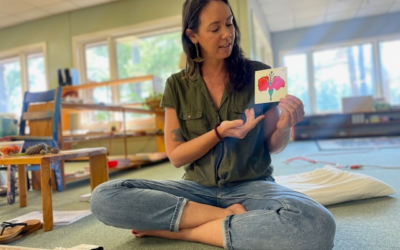
Don’t Miss Out: Secure Your Spot Today
Don’t miss your opportunity to join our immersive face-to-face summer residency! Spaces are filling rapidly—reserve your place today and take the next step in your educational journey.
Aghalyaa M.S. Graduate
This program helped me grow professionally by deepening my understanding of Montessori philosophy, observation, and the purpose of materials. It helped me understand my role as a Montessori educator and how to present lessons more effectively. One of the most valuable parts of the program was learning about observation and understanding how Montessori education supports the whole child.
Our Partners’ Commitment to Your Success!
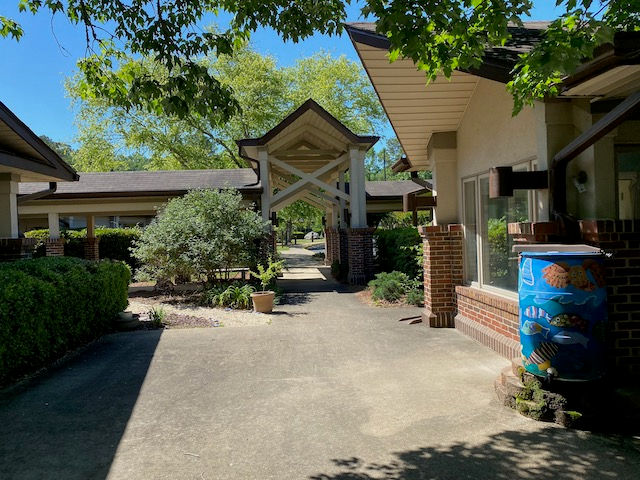
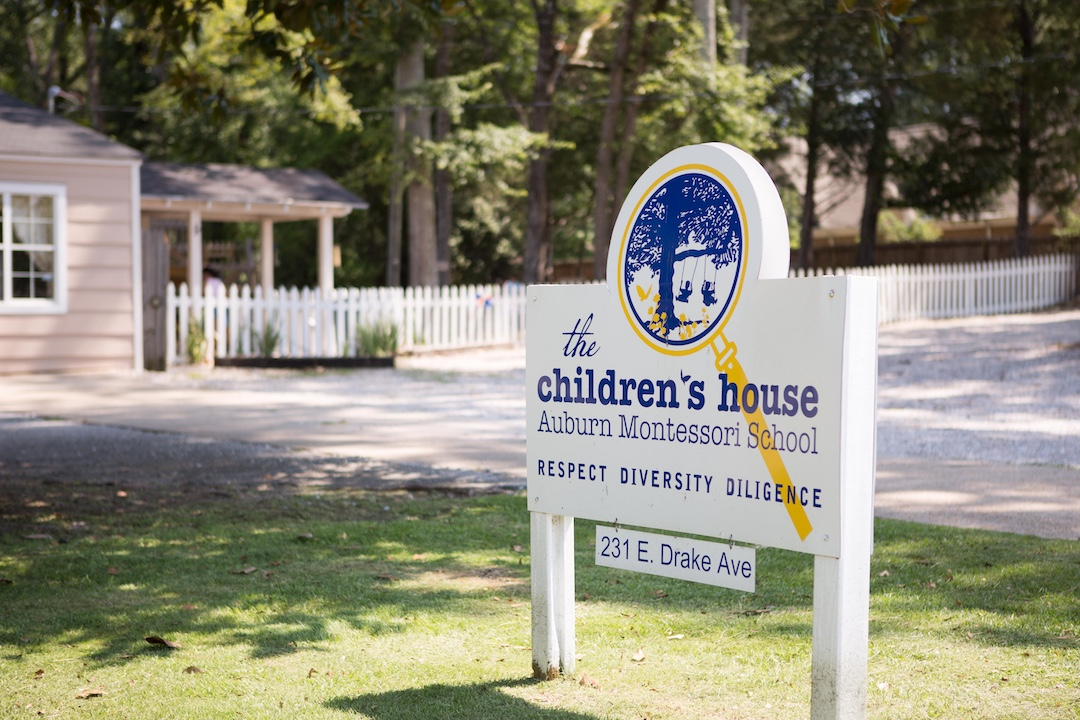
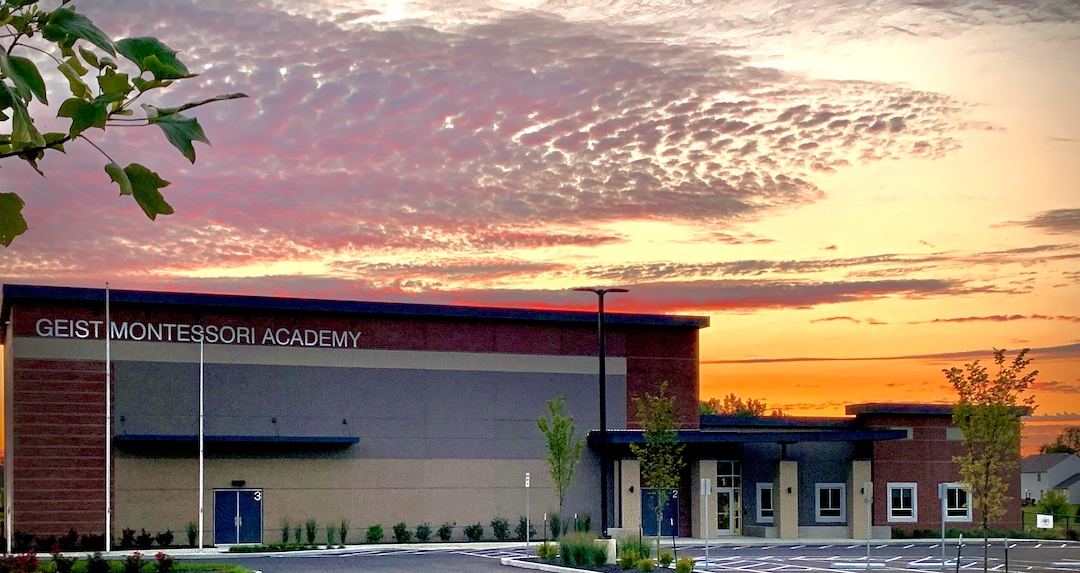
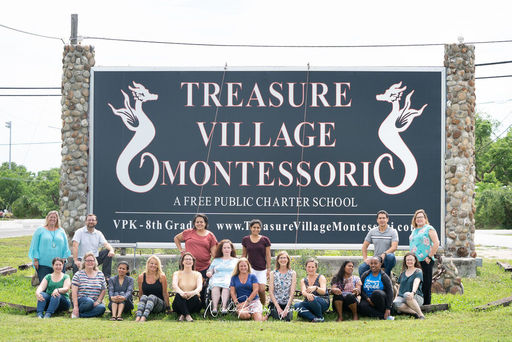
Manageable Workload: Designed for busy lifestyles