
Full Support. Real-World Readiness
The Elementary I credential comprises 12 required courses, delivered through a flexible blended model that combines online learning with an immersive in-person residency. This comprehensive track is uniquely designed to guide adult learners through the foundational academic, social, and developmental needs of the second-plane child (ages 6–9), focusing on their emerging powers of reason, imagination, and practical abstraction.
Elementary I
Turn your passion for teaching into a lifelong impact for 6–9-year-olds!
Flexible Blended Format
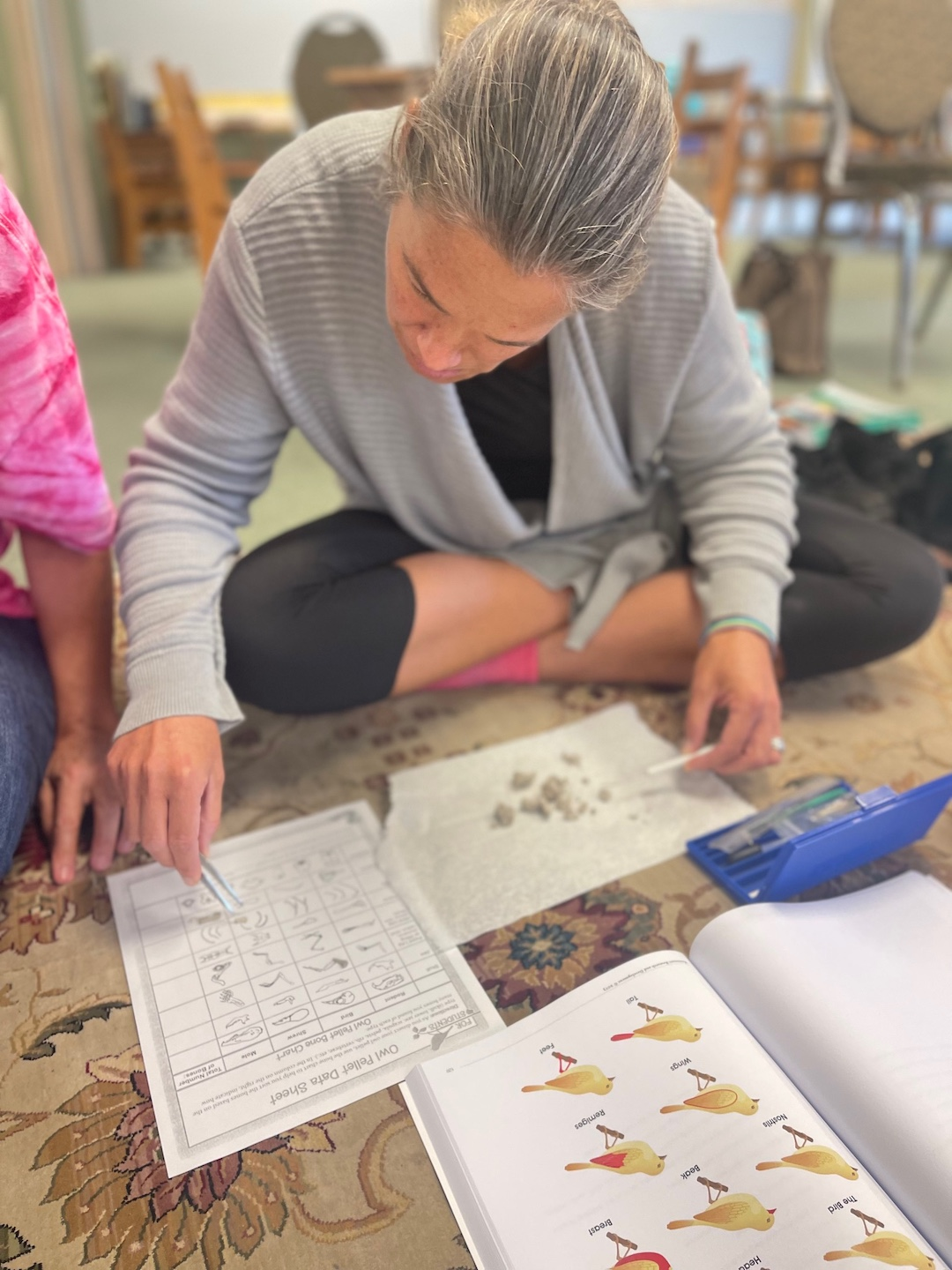
Balance independent study with collaborative practice. This program combines flexible virtual coursework, an immersive in-person residency, and guided field experience directly in your school environment.
A MACTE-accredited teacher training program.
Learn Anytime, Anywhere
Nationally Recognized Excellence
Partner with us to spark young minds.
Transform their natural curiosity into lifelong learning!
Elevating Educators
Our 6-to-9 track equips, inspires, and elevates the educators who guide emerging thinkers—transforming classrooms, empowering leaders, and expanding young horizons worldwide.
Digital Trailblazers
As true pioneers in distance education, Montessori Live revolutionized elementary guide training by streaming authentic classroom practice to educators worldwide.
Smart Investment, Zero Risk
Protect your school budget with zero long-term financial risk and full protection against staff turnover. Bring top-tier Elementary I training to your staff through a flexible model designed to fit your operational needs.
Blended Model
Our Core Curriculum
Grounded in cosmic education and collaborative inquiry, our core curriculum empowers elementary children to think critically, explore big questions, and build a lifelong love of discovery.

Foundational Studies
Foundations of Montessori Philosophy: An in-depth exploration of core Montessori principles, the absorbent mind, and the prepared environment.
Observation, Classroom Management, and Child Development: Practical techniques for objective observation, developmental milestones (ages 3–6), and fostering a peaceful classroom culture.

Language Arts
Correct Expression, Handwriting, & Whole Language: Foundations of oral language, pre-writing, and early literacy immersion.
Phonics, Spelling, and Punctuation: Reading mechanics, word building, and foundational language structure.
Cultural
Big Picture of the Universe: Explores cosmic origins and Earth’s formation, setting a grand framework for scientific discovery.
Earth and Human Studies: Examines geography, ecosystems, and human history to reveal our interconnected world.

Mathematics
Numeration and Place Value: Introducing the concrete concept of numbers, quantity, and the base-10 system.
Math Addition & Multiplication: Moving from concrete to abstract math concepts.
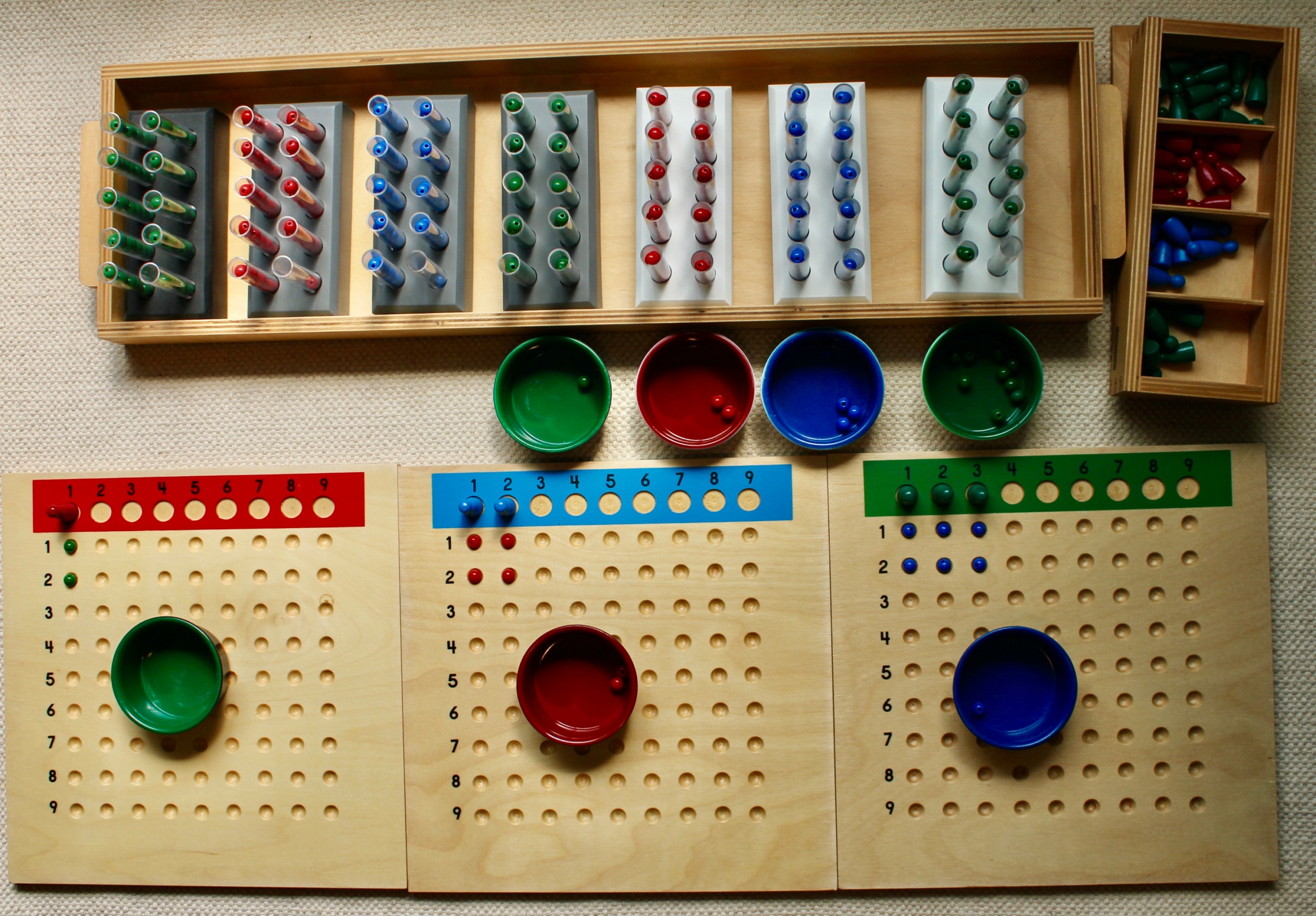
Math Subtraction & Division: Completing core mathematical operations with specialized Montessori materials.
Intro to Geometry: Hands-on materials guide children from concrete spatial concepts to abstract geometric reasoning.

Summer Intensive
Our residency model combines high-impact, hands-on practice with rich peer collaboration across two targeted components
Virtual Intensive (24 Hours) | Online from Home: Interactive training focused on Early Childhood foundational philosophy, Practical Life, Sensorial, and Sensorial Geometry.
In-Person Intensive (10 Days / 80 Hours) | Birmingham, AL or McCordsville, IN: Hands-on Elementary I residency focused on mastering 6–9 materials, presenting advanced lessons, and group instruction.

Practicum & Field Experience
Full Academic Year (September–June)
Online Support & Coursework: Ongoing virtual seminars, coursework management, and guidance from Montessori Live faculty throughout the school year.
On-Site Teaching Internship: A full-year, hands-on teaching placement conducted at an approved school near you, supported by a local field supervisor.
(Classroom location approval required)
Residency Curriculum
During the 10-day hands-on residency, adult learners gain direct, practical mastery in presenting the core Elementary I subjects. You will practice delivering key lessons and managing classroom observations across:
Philosophy Overview
Grounding the 6–9 curriculum in the second-plane child’s reasoning mind and moral growth, this track blends lectures with material making, purposeful observation, art, music, and physical education, enriched by hands-on lessons, peer interactions, and interactive student demonstrations.
Mathematics & Geometry
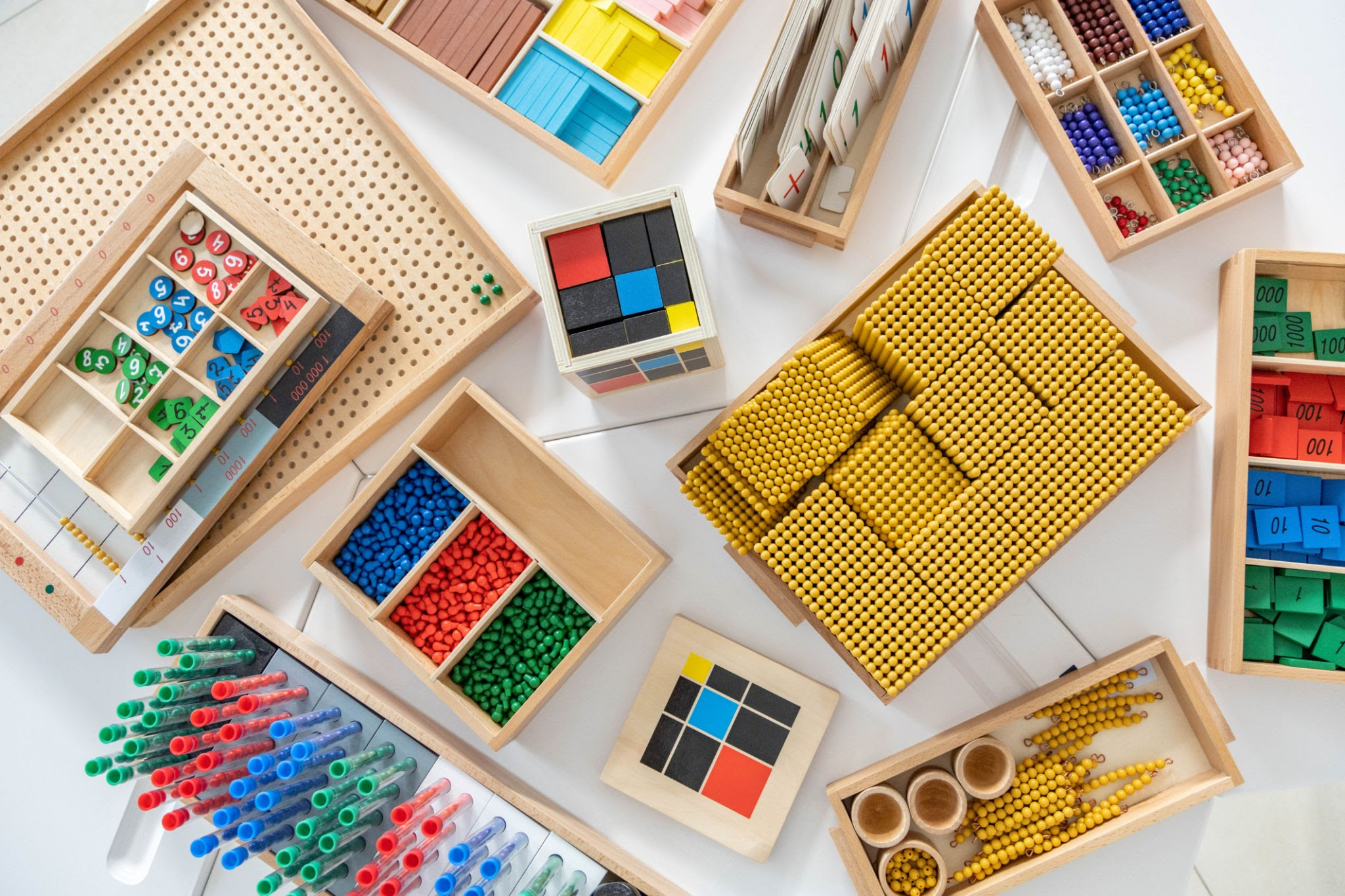
Adult learners practice guiding children from concrete exploration to abstract reasoning. Through lectures, material demonstrations, and active peer interaction, guides master lessons that move seamlessly from foundational bead work and introductory fractions to complex geometric relationships and spatial logic.
Language Arts
Focused on inspiring clear communication, this track prepares guides to present advanced grammar, sentence structure, and correct expression and punctuation. Adult learners refine their delivery through hands-on lessons, material demonstrations with peers, and collaborative, small-group practice.
Cosmic Education & Integration
Bringing the universe to life through Great Lessons, timelines, and impressionistic charts, this coursework covers geography, history, biology, geology, physics, and chemistry. Through lectures, peer demonstrations, and hands-on practice, the guides integrate health, ethics, and essential record-keeping.
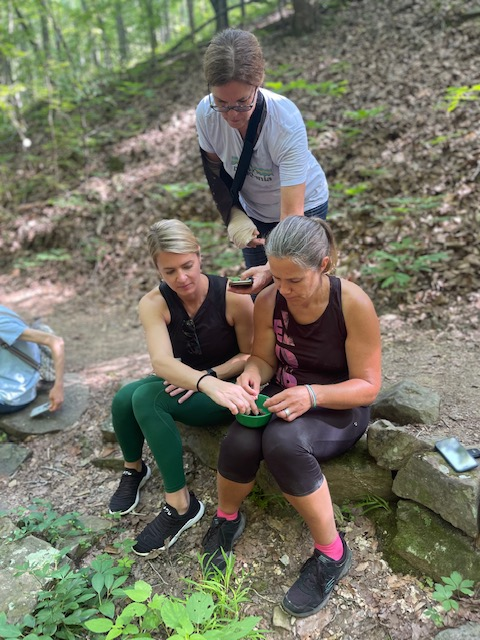
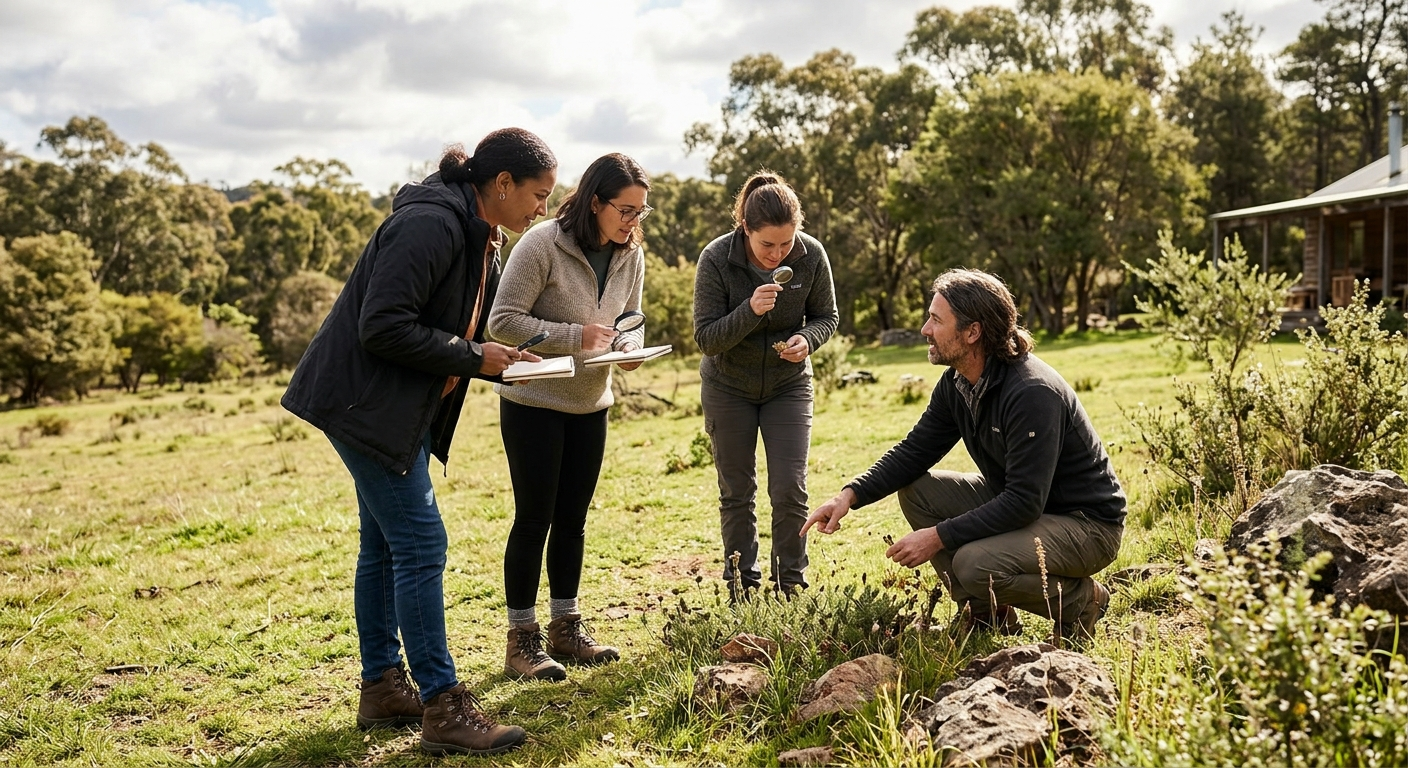
Montessori education treats the outdoor environment as a vital extension of the classroom, fostering natural curiosity through hands-on exploration. This photo shows teachers-in-training immersed in nature, preparing to guide children in botany, ecology, and experiential outdoor learning.
Integrated Subjects (throughout the curriculum)
Peace Education & Ethics
Embedded across all subject areas, peace education cultivates grace, courtesy, and moral reasoning. Adult learners practice guiding conflict resolution, fostering community responsibility, and integrating ethical discussions naturally into daily classroom life.
Grammar Materials
Grammar is integrated dynamically across the curriculum to support spoken and written expression. Guides learn to present concrete grammar materials—such as the grammar boxes and sentence analysis—enriching vocabulary, reading comprehension, and structural mastery throughout every subject area.
The Art of Observation
Observation is trained as a continuous, foundational practice for understanding child development. Adult learners refine their ability to systematically observe student engagement, social dynamics, and academic progress, using these insights to tailor individualized instruction and support independent learning.
Innovative Methodology
Our blended approach weaves ongoing practical application directly into your training. Adult learners engage in hands-on practice, detailed lesson planning, and observation of live presentations, supported by personalized virtual one-on-one student-instructor meetings, custom material-making assignments, and real-time observation.
Pillars of Our Program
Our coursework combines self-paced flexibility with personalized, direct guidance from an instructor. Below is an overview of the core assignment types you will complete throughout your program.
Philosophy
Rooted in Maria Montessori’s vision of the child as an active agent of their own development, this approach respects the “absorbent mind” and honors sensitive periods for order, language, and movement—fostering intrinsic motivation, peace, and independence.
Pedagogy
Observation
Classroom Management
Asynchronous Chats
Asynchronous Forums
Lesson Presentations
Lesson Plans
Reflection Essays
Observed Presentations
Synchronous Chats
Practice Summary
Practicum Assignments
Practicum Project
The Practicum Project proves that an adult learner can observe what a specific group of children is interested in and build on the classroom curriculum to meet those needs. Instead of just following a pre-made book, the learner designs a brand-new learning project specifically for their student-teaching classroom. This shows instructors that they can adapt their teaching, plan around the children, and manage a real environment effectively.
Case Study
The Case Study shows that an adult learner can apply observation skills—the core of the Montessori method—by tracking a single child over time. These observations can range from quick 30-minute sessions to a full school year. By observing one child closely, the learner learns to connect textbook developmental milestones with real child behavior, demonstrating that they can use observational data to create custom lessons for individual students.
Peace Education
Through peace education, teacher candidates learn to model conflict resolution, empathy, and emotional regulation, creating the inner calm necessary to lead a peaceful classroom. By embedding these practices into their training, future educators are prepared to cultivate inclusive, respectful learning environments where young children naturally learn to navigate differences and contribute to a harmonious world.
Recent Graduates
Aghalyaa
May 2026
Hillary
Elementary I
December 2025
Christina
Elementary I
January 2026
Leshia
Elementary I
December 2025
Lori
Elementary I
November 2025
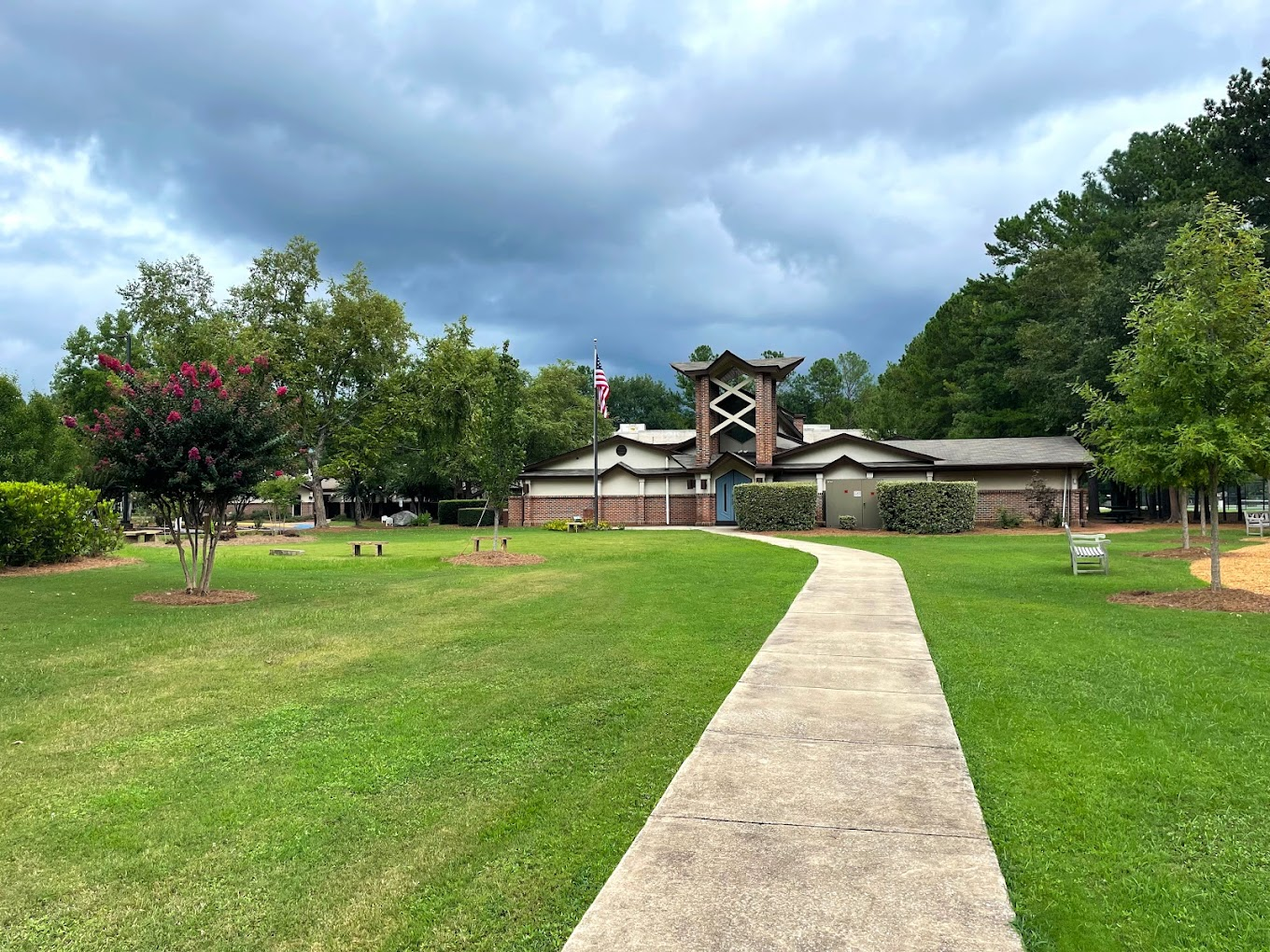
Birmingham, Alabama | McCordsville, Indiana
Experience an inspiring summer residency in Birmingham, Alabama, or McCordsville, Indiana—where immersive, hands-on 6–9 Montessori training meets collaborative learning and a welcoming community.