
Full Support. Real-World Readiness
The Early Childhood credential comprises nine required courses, delivered through a flexible blended model that combines online learning with an immersive in-person residency. This comprehensive track is uniquely designed to guide adult learners through the foundational academic and developmental needs of the first-plane child.
Early Childhood
Transform your passion for teaching into a lifelong impact!
The Blended Certification Track
Our flexible blended model combines self-paced online coursework, a hands-on in-person residency, and a job-embedded practicum completed in your local classroom.
A MACTE-accredited teacher training program.
Learn Anytime, Anywhere
Nationally Recognized Excellence
We’re with you every step of the way!
Start now to inspire young minds.
Elevating Educators
Our 3-to-6 exists to equip, inspire, and elevate the educators who nurture the next generation—transforming classrooms, empowering leaders, and enriching young lives worldwide.
Your Investment
Zero long-term financial risk, zero penalties if staff turnover happens, and total peace of mind for school heads managing tight budgets. Give your teachers top-tier, flexible Montessori training without locking your school into rigid financial agreements.
Digital Trailblazers
Blended Model
Our adult-friendly model pairs flexible, high-caliber online coursework with immersive summer residencies for hands-on practice, deep philosophical alignment, and lasting human connection.
Our Core Curriculum
Grounded in self-directed discovery and hands-on exploration, our core curriculum empowers children to build independence, critical thinking, and a lifelong love of learning.

Foundational Studies
Foundations of Montessori Philosophy: An in-depth exploration of core Montessori principles, the absorbent mind, and the prepared environment.
Observation, Classroom Management, and Child Development: Practical techniques for objective observation, developmental milestones (ages 3–6), and fostering a peaceful classroom culture.

Language Arts
Phonics, Spelling, and Punctuation: Reading mechanics, word building, and foundational language structure.

Mathematics
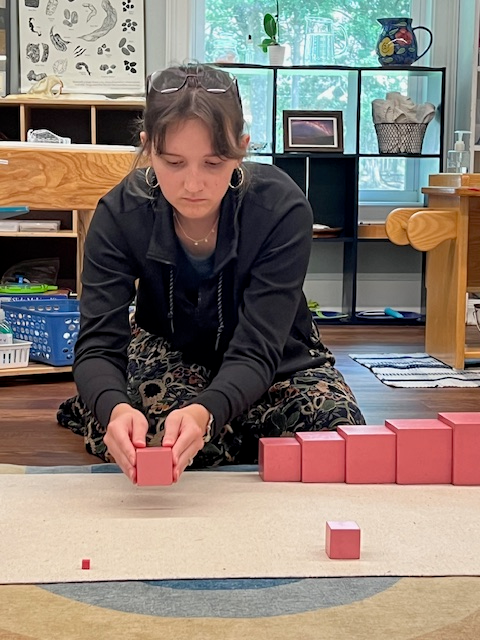
Operations with Whole Numbers: Addition & Multiplication: Moving from concrete to abstract math concepts.
Early Childhood Math: Subtraction & Division: Completing the four core mathematical operations with specialized Montessori materials.

Summer Intensive
Our residency model combines high-impact, hands-on practice with rich peer collaboration.
In-Person Laboratory Intensive | Auburn, Alabama
An immersive 10-day (80-hour) hands-on intensive focused on mastering materials, presenting lessons, and learning in groups.

Practicum & Field Experience
A year-long, school-based internship with an active teaching component at an approved school location near you. Managed online with local supervision. (Location approval required)
Culture and Sciences
In Montessori Early Childhood (ages 3–6), children experience science and culture through hands-on, sensory exploration of the real world. Rather than memorizing abstract facts, children engage directly with concrete materials to understand their place in nature and history:
Botany
Children care for classroom plants, dissect leaves and seeds, and use puzzle maps to learn the anatomical parts of trees, flowers, and leaves through tactile discovery.
Zoology
Geography
History
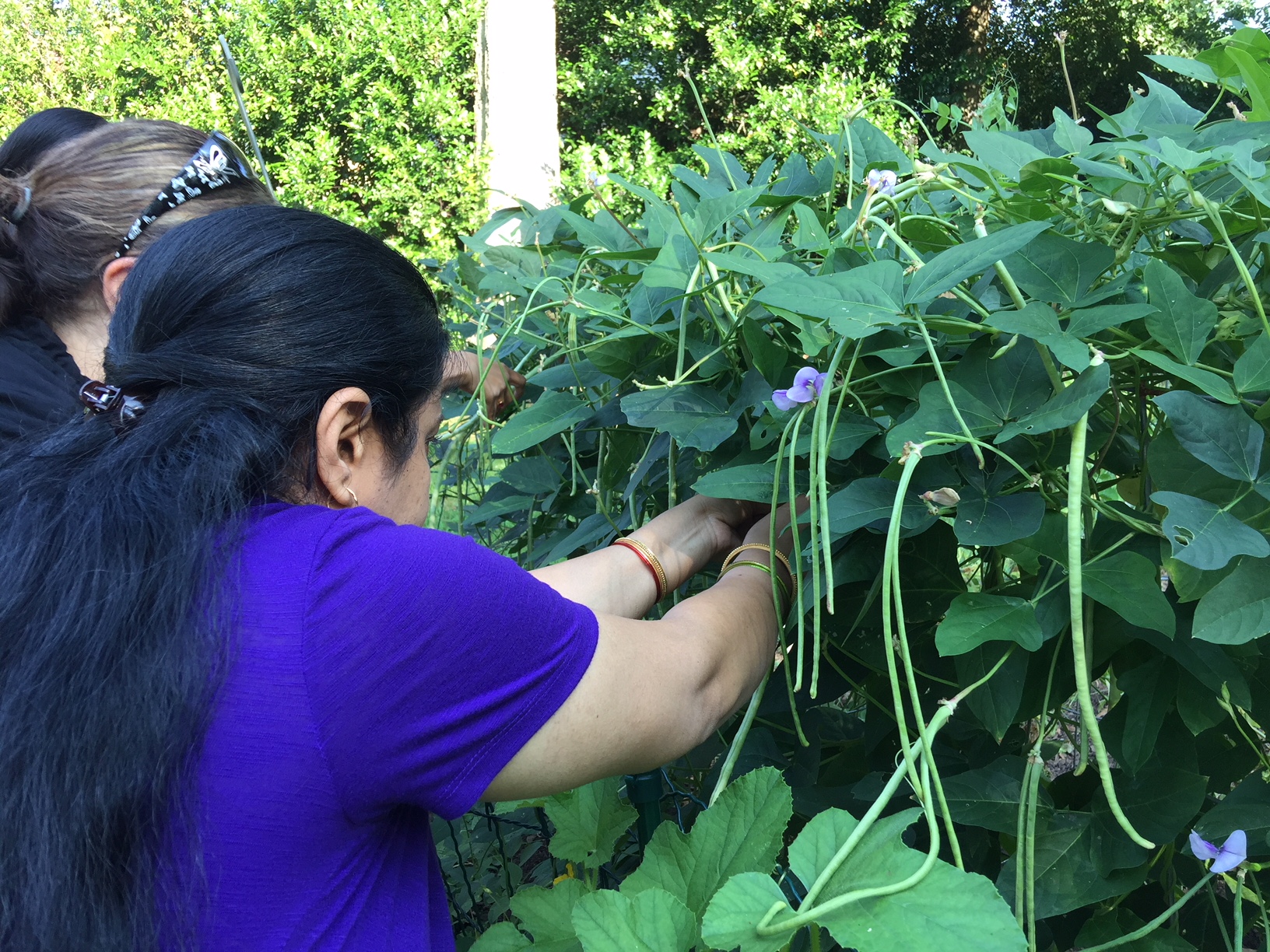
In Montessori, the garden transforms Practical Life and Botany from classroom lessons into a living, hands-on adventure. As little hands dig into soil, sow seeds, and harvest their own crops, real-world science comes alive through rich sensory discoveries and motor-skill-building play. Far beyond growing plants, gardening feeds a child’s natural curiosity, nurturing a proud sense of independence, a deep connection to their food, and a lifelong respect for the earth.
Core Curriculum
Practical Life
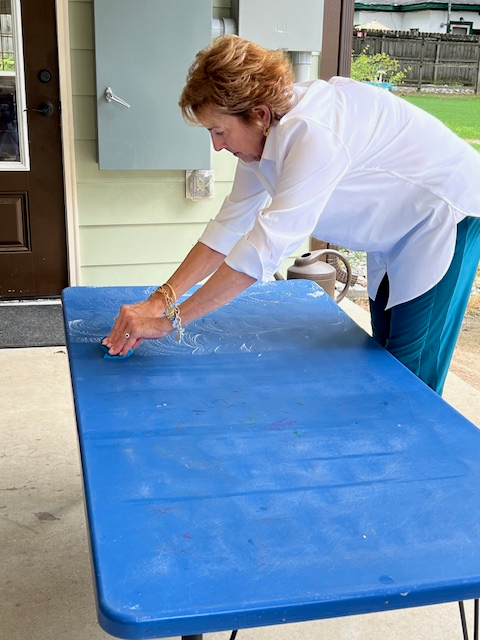
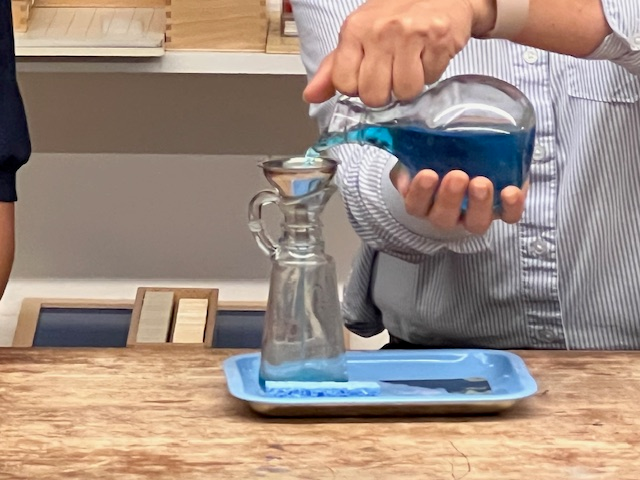
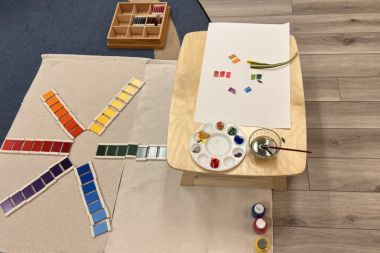
Practical life activities—such as pouring, buttoning, sweeping, and preparing food—are real-world, everyday tasks designed to help young children develop fine and gross motor skills, independence, hand-eye coordination, and sustained concentration. Far from being simple chores, these activities form the foundation of Maria Montessori’s philosophy, satisfying the child’s natural drive toward self-reliance while instilling order and responsibility. By teaching children how to care for themselves and their environment, practical life exercises build the focus, muscular control, and self-confidence required for later academic work like writing and mathematics.
Sensorial
Sensorial activities are essential to Montessori education because they systematically refine a child’s five senses and serve as a critical cognitive bridge to abstract learning in science and language. By isolating distinct visual, tactile, auditory, and olfactory attributes—such as grading cylinder blocks by size, pairing sound cylinders, or sorting color tablets—children train their brains to classify, sequence, and observe their environment precisely. This acute sensory discrimination directly prepares them for language, where they must visually distinguish subtle letter shapes and isolate speech sounds, and for science, where learning relies on careful observation, measurement, and categorization of the physical world.
Cultural
In Montessori early childhood education, the Cultural curriculum opens the child’s mind to the broader world through integrated study in geography, history, botany, zoology, music, and art. By exploring landforms, globe maps, historical timelines, and the biological structures of plants and animals, young children satisfy their natural curiosity about life, nature, and diverse human cultures. Far beyond delivering simple facts, these hands-on activities foster a deep sense of global citizenship, environmental stewardship, and interdisciplinary respect, teaching children that every living organism and community plays an interconnected role in our shared world.
Philosophy
The Montessori philosophy is rooted in a profound respect for the child’s natural developmental trajectory, viewing education not as the passive reception of knowledge, but as an active, self-directed process of self-construction. Central to this approach is the belief that children possess an “absorbent mind” and pass through distinct “sensitive periods”—windows of opportunity where they are intrinsically driven to master specific skills like language, order, and social interaction. By offering a thoughtfully prepared environment, multi-age peer communities, and self-correcting hands-on materials, Montessori education respects each child’s individual pace, nurturing independence, intrinsic motivation, and a lifelong love of learning within a framework of freedom and clear boundaries.
Pillars of Our Program
Our coursework combines self-paced flexibility with personalized, direct guidance from an instructor. Below is an overview of the core assignment types you will complete throughout your program.
Philosophy
Pedagogy
Observation
Classroom Management
Asynchronous Chats
Asynchronous Forums
Lesson Presentations
Lesson Plans
Reflection Essays
Reflection essays help teacher trainees connect Montessori theory with classroom practice, fostering the deep self-awareness and observational discipline needed to become thoughtful, responsive educators.
Observed Presentations
Synchronous Chats
Practice Summary
Practicum Assignments
Practicum Project
The Practicum Project proves that an adult learner can observe what a specific group of children is interested in and build on the classroom curriculum to meet those needs. Instead of just following a pre-made book, the learner designs a brand-new learning project specifically for their student-teaching classroom. This shows instructors that they can adapt their teaching, plan around the children, and manage a real environment effectively.
Case Study
The Case Study shows that an adult learner can apply observation skills—the core of the Montessori method—by tracking a single child over time. These observations can range from quick 30-minute sessions to a full school year. By observing one child closely, the learner learns to connect textbook developmental milestones with real child behavior, demonstrating that they can use observational data to create custom lessons for individual students.
Peace Education
Through peace education, teacher candidates learn to model conflict resolution, empathy, and emotional regulation, creating the inner calm necessary to lead a peaceful classroom. By embedding these practices into their training, future educators are prepared to cultivate inclusive, respectful learning environments where young children naturally learn to navigate differences and contribute to a harmonious world.
Recent Graduates
Emmy
Early Childhood
July 2026
Jenna
Early Childhood
July 2026
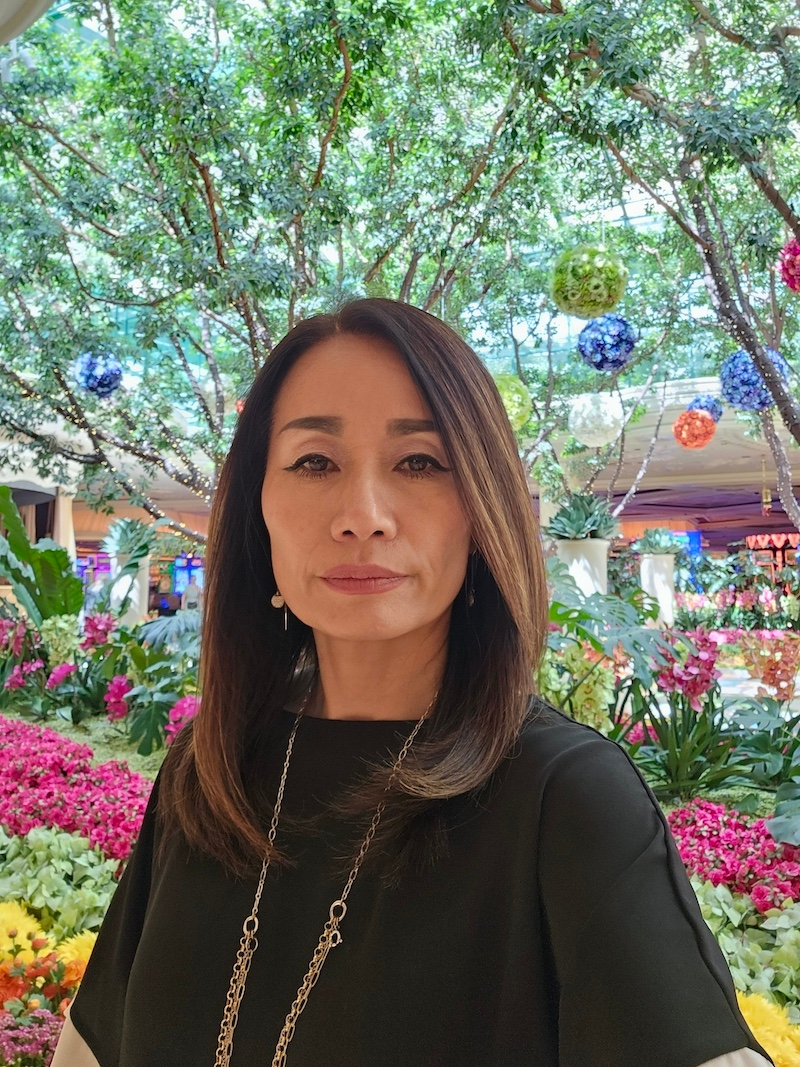
Minjeong
Early Childhood
July 2026

Aghalyaa
Elementary I
May 2026

Stephanie
Elementary I-II
June 2026
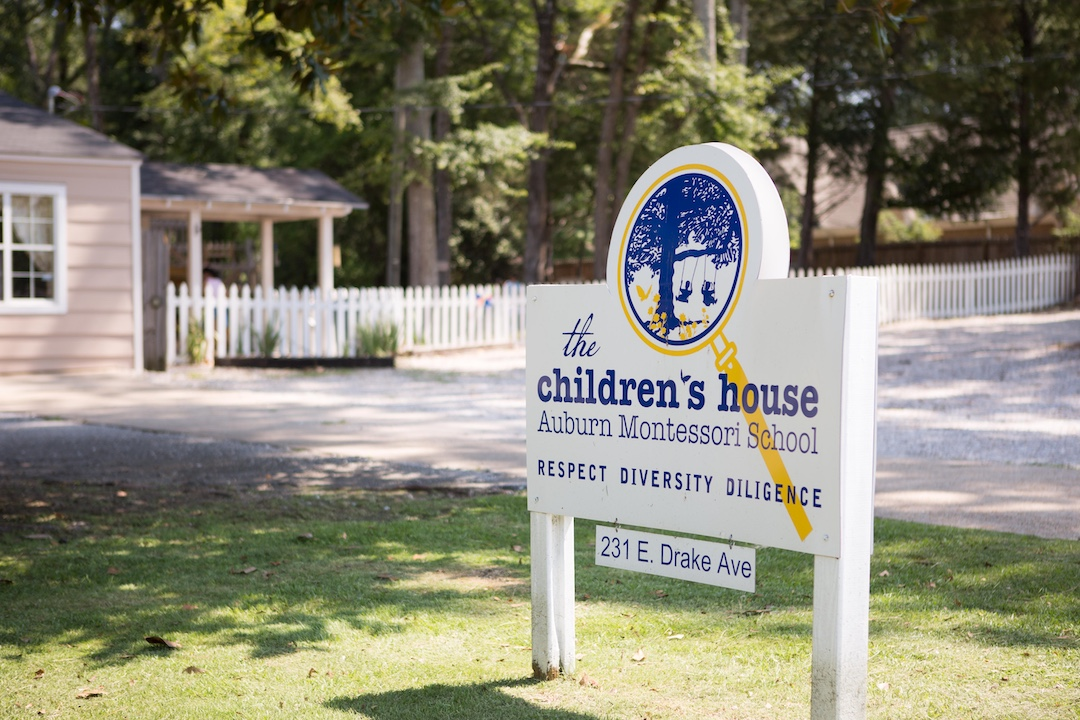
Auburn, Alabama
Join us in vibrant Auburn, Alabama, for an inspiring summer residency that brings together hands-on Montessori practice, collaborative learning, and warm Southern hospitality.